Design to code
From design to interactive prototype. Portfolio built with AI, code, and reusable components.

Design to code
From design to interactive prototype. Portfolio built with AI, code, and reusable components.
Overview
Traditional prototypes created in tools such as Figma and Sketch can feel rigid, with users limited to predefined navigation paths and hotspots. While new capabilities are emerging (for example Figma Make), the experience still differs significantly from interacting with a real product.
This project explores a design-to-code workflow to create a realistic, fully interactive portfolio prototype that behaves more like a live website than a traditional prototype.
Using Framer, VS Code, and Claude CLI, I experiment with AI-assisted coding and reusable component systems to bridge the gap between design and implementation.
The goal is to demonstrate how combining design tools, code, and AI can produce more flexible, interactive prototypes suitable for client demonstrations and portfolio experiences.
- Role
- Senior Product Designer
- Scope
- UI/UX Design · Component Architecture · Design-to-Code Workflow · AI-Assisted Development
- Duration
- Mar 2026
- Location
- Remote
Overview
Traditional prototypes created in tools such as Figma and Sketch can feel rigid, with users limited to predefined navigation paths and hotspots. While new capabilities are emerging (for example Figma Make), the experience still differs significantly from interacting with a real product.
This project explores a design-to-code workflow to create a realistic, fully interactive portfolio prototype that behaves more like a live website than a traditional prototype.
Using Framer, VS Code, and Claude CLI, I experiment with AI-assisted coding and reusable component systems to bridge the gap between design and implementation.
The goal is to demonstrate how combining design tools, code, and AI can produce more flexible, interactive prototypes suitable for client demonstrations and portfolio experiences.
- Role
- Senior Product Designer
- Scope
- UI/UX Design · Component Architecture · Design-to-Code Workflow · AI-Assisted Development
- Duration
- Mar 2026
- Location
- Remote
Role
- Designed and built the design-to-code prototype end-to-end, translating interface concepts into a functional interactive experience
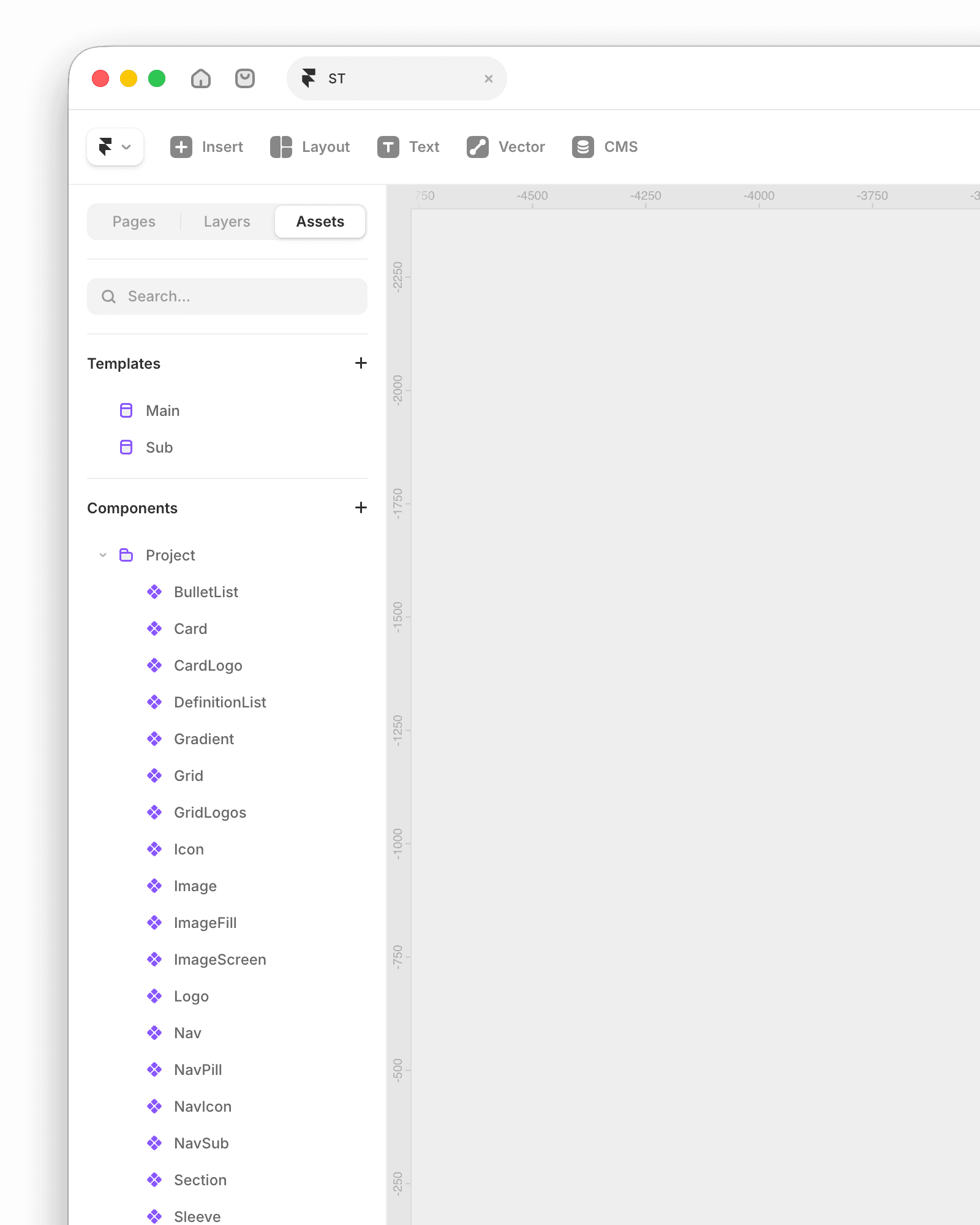
- Developed a reusable component architecture structured as:
Primitive elements → Slots → Stack → Sections - Layout components support both stacked and grid-based arrangements, enabling flexible structures such as card layouts
- Implemented theme propagation to manage colors, typography, and spacing consistently across the interface
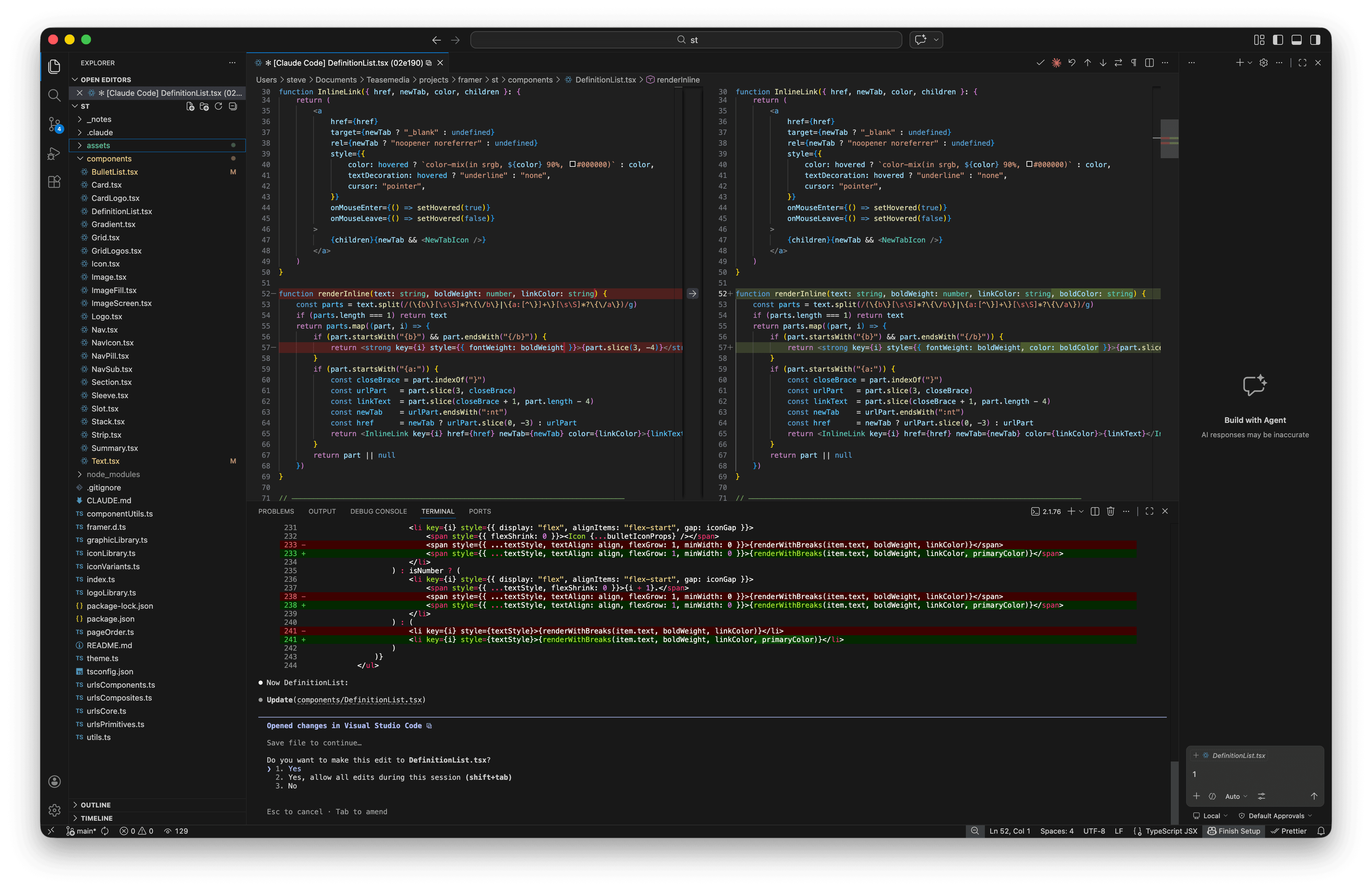
- Used Claude CLI within VS Code to generate, review, and debug code components, enabling rapid experimentation with AI-assisted development
Role
- Designed and built the design-to-code prototype end-to-end, translating interface concepts into a functional interactive experience
- Developed a reusable component architecture structured as:
Primitive elements → Slots → Stack → Sections - Layout components support both stacked and grid-based arrangements, enabling flexible structures such as card layouts
- Implemented theme propagation to manage colors, typography, and spacing consistently across the interface
- Used Claude CLI within VS Code to generate, review, and debug code components, enabling rapid experimentation with AI-assisted development
Challenges
- Extending Framer beyond typical website use cases: Building a reusable component architecture and more flexible layout structures required developing custom code components.
- Balancing simplicity with interactivity: While the portfolio functions primarily as brochureware, the goal was to introduce enough interactivity to demonstrate component behaviour without overcomplicating the experience.
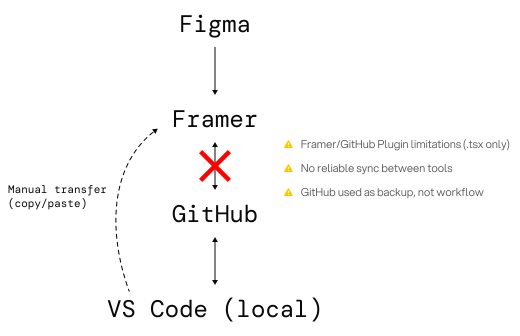
- Managing a hybrid workflow: Coordinating the Framer project, GitHub repository, local VS Code environment, and AI-assisted development tools introduced additional workflow complexity.
Challenges
- Extending Framer beyond typical website use cases: Building a reusable component architecture and more flexible layout structures required developing custom code components.
- Balancing simplicity with interactivity: While the portfolio functions primarily as brochureware, the goal was to introduce enough interactivity to demonstrate component behaviour without overcomplicating the experience.
- Managing a hybrid workflow: Coordinating the Framer project, GitHub repository, local VS Code environment, and AI-assisted development tools introduced additional workflow complexity.
Approach
Structured the project to explore a design-to-code workflow, building reusable components and integrating AI-assisted development while keeping the prototype interactive and scalable.
Approach
Structured the project to explore a design-to-code workflow, building reusable components and integrating AI-assisted development while keeping the prototype interactive and scalable.
Workflow
- Figma for reference design (no asset transfer)
- Framer for building interactive components
- GitHub repo and local VS Code folder for code management
- Claude CLI to generate and refine components
Workflow
- Figma for reference design (no asset transfer)
- Framer for building interactive components
- GitHub repo and local VS Code folder for code management
- Claude CLI to generate and refine components
Component System
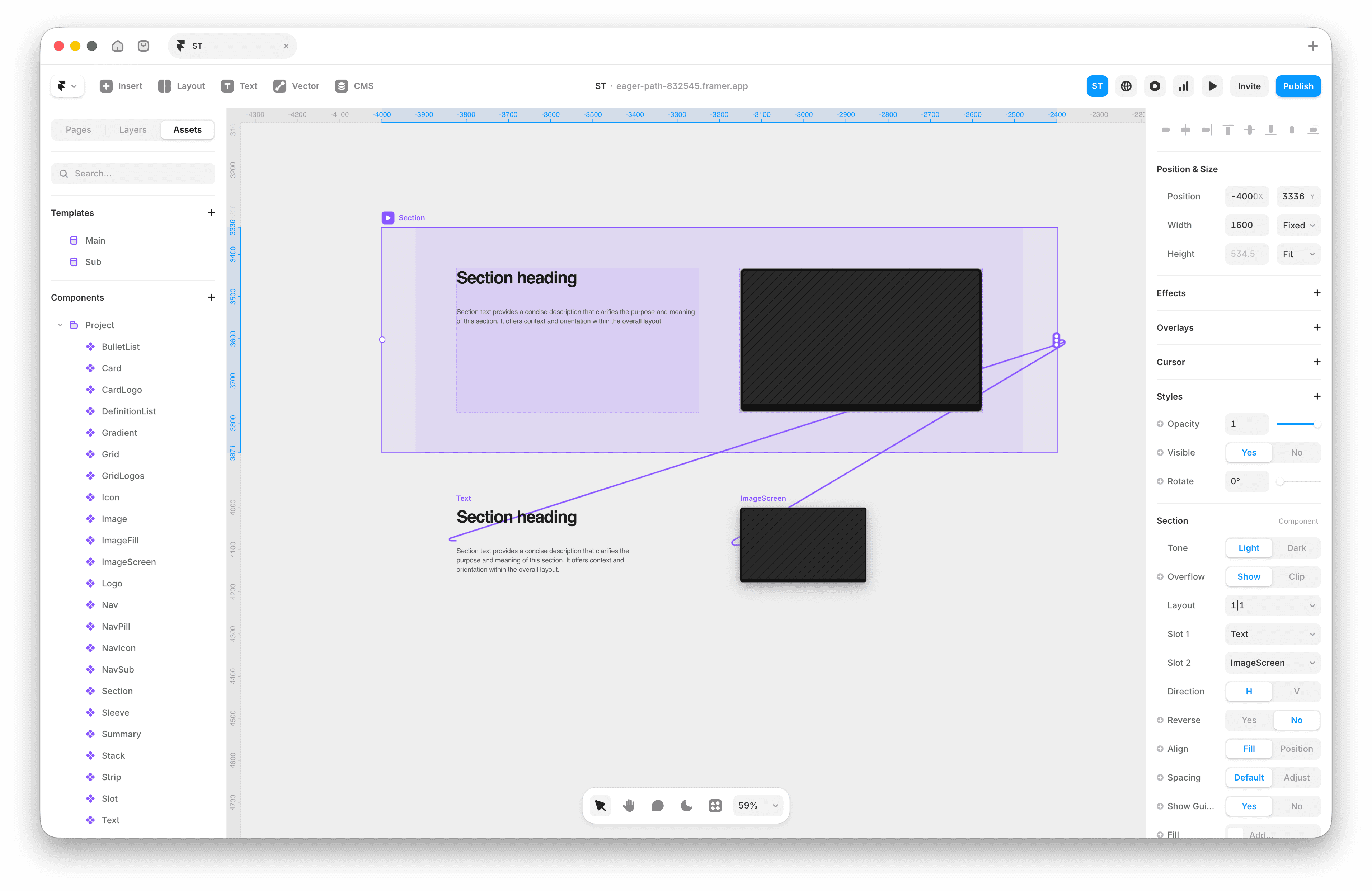
- Primitive elements
Text, Lists, Image, Grid, Logo, Icon - Slots
Flexible containers holding primitives - Stacks
ayout of multiple slots in rows or columns - Sections
Containers for stacks; theme propagation applies globally - Supports both stacked and grid-based layouts for flexible structures like cards
Component System
- Primitive elements
Text, Lists, Image, Grid, Logo, Icon - Slots
Flexible containers holding primitives - Stacks
ayout of multiple slots in rows or columns - Sections
Containers for stacks; theme propagation applies globally - Supports both stacked and grid-based layouts for flexible structures like cards
Interactivity
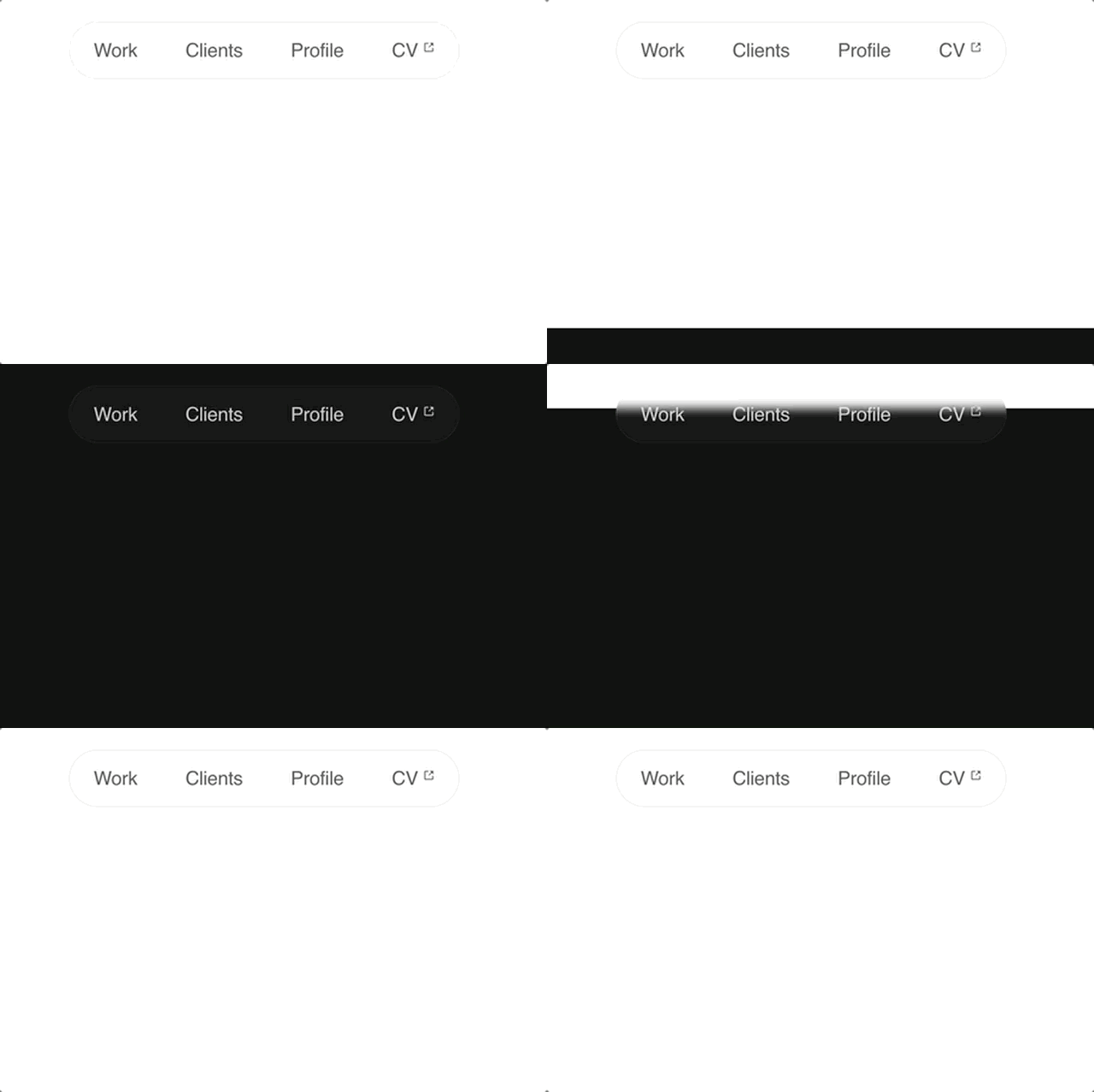
- Portfolio is mostly brochureware, but supports partial interactions to explore component behavior
- Designed for future JSON or database integration to make content dynamic
Interactivity
- Portfolio is mostly brochureware, but supports partial interactions to explore component behavior
- Designed for future JSON or database integration to make content dynamic
Impact
- Fully interactive prototype allows users to explore beyond pre-defined paths.
- Design-to-code workflow is viable for portfolio and client demos.
- Reusable component hierarchy and theme system enable scalable and consistent design.
- Experience highlights AI-assisted coding via Claude CLI as a tool for designers to overcome technical limitations.
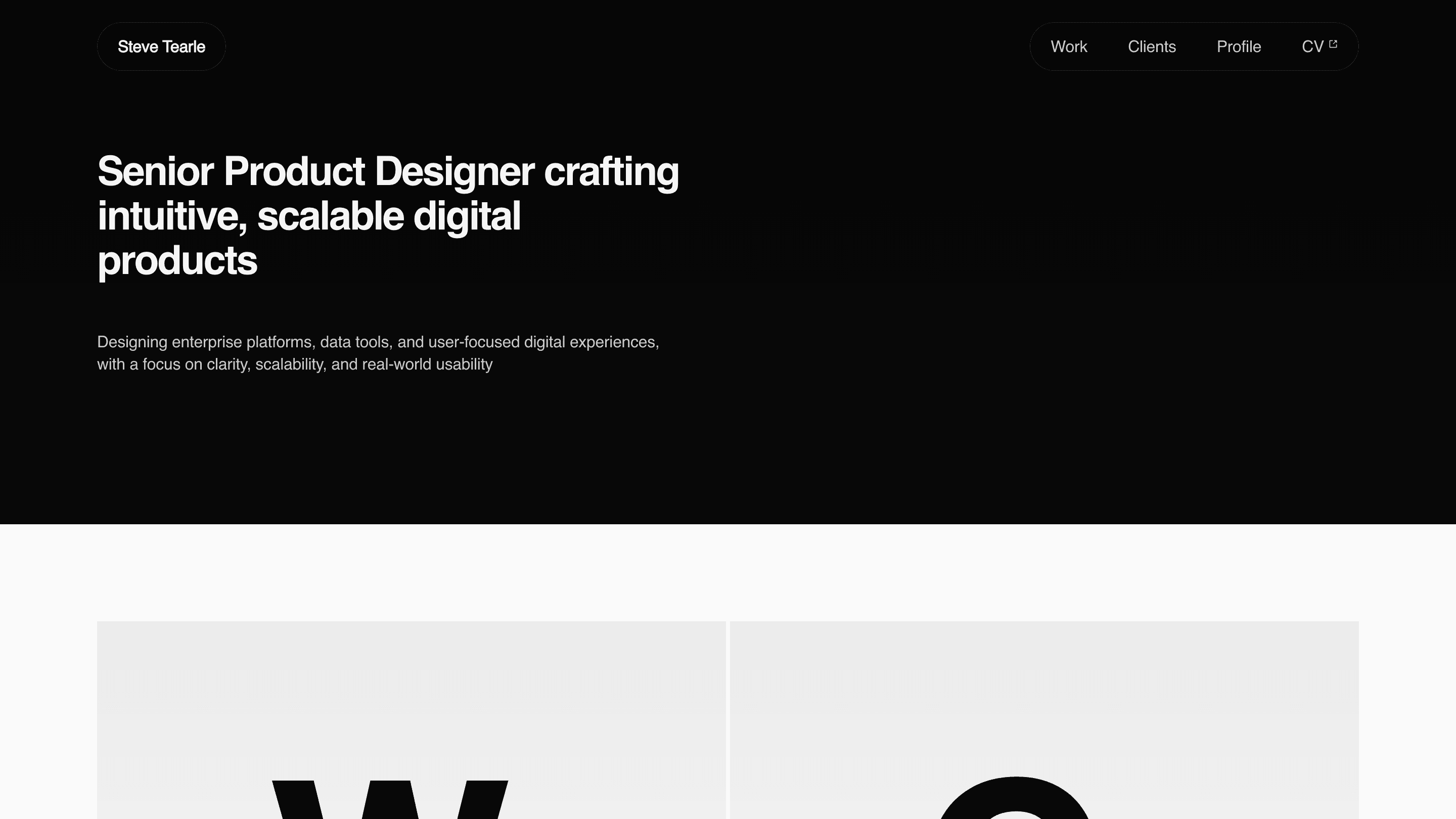
You are actually viewing the finished interactive prototype now.
Impact
- Fully interactive prototype allows users to explore beyond pre-defined paths.
- Design-to-code workflow is viable for portfolio and client demos.
- Reusable component hierarchy and theme system enable scalable and consistent design.
- Experience highlights AI-assisted coding via Claude CLI as a tool for designers to overcome technical limitations.
You are actually viewing the finished interactive prototype now.
Takeaways
- Realistic prototypes improve feedback and UX testing.
- Component reusability and theme propagation reduce design debt.
- Partial data integration with JSON or lightweight databases is feasible for future enhancements.
- Framer is ideal for basic interactive prototypes. With a few additional features, such as built-in support for design system tokens (responsive spacing, typography, and colors), I could have used the Framer interface to build these components directly. As these weren’t available, I developed the reusable component system myself using Claude CLI and VS Code.
Takeaways
- Realistic prototypes improve feedback and UX testing.
- Component reusability and theme propagation reduce design debt.
- Partial data integration with JSON or lightweight databases is feasible for future enhancements.
- Framer is ideal for basic interactive prototypes. With a few additional features, such as built-in support for design system tokens (responsive spacing, typography, and colors), I could have used the Framer interface to build these components directly. As these weren’t available, I developed the reusable component system myself using Claude CLI and VS Code.

Future Enhancements
- Integrate portfolio content via JSON or lightweight database
- Expand the component system for dynamic, data-driven content (precursor to full React workflow)
- Explore full React deployment beyond Framer for complex applications
- Continue refining AI-assisted component generation for speed and accuracy
- Build Design-to-Code II. Develop a fully native React application with reusable components, using VS Code, Claude CLI, and Storybook. The starting point will be design references from any preferred tool (Figma, Paper and Pencil), focusing on production-ready, interactive components rather than prototype-only solutions.
Future Enhancements
- Integrate portfolio content via JSON or lightweight database
- Expand the component system for dynamic, data-driven content (precursor to full React workflow)
- Explore full React deployment beyond Framer for complex applications
- Continue refining AI-assisted component generation for speed and accuracy
- Build Design-to-Code II. Develop a fully native React application with reusable components, using VS Code, Claude CLI, and Storybook. The starting point will be design references from any preferred tool (Figma, Paper and Pencil), focusing on production-ready, interactive components rather than prototype-only solutions.
About
Seasoned UX/UI Specialist with a proven track record of creating intuitive and user-friendly interfaces for a wide range of products.
Over the years, enjoyed collaborating with established companies, financial institutions, government organizations, and digital agencies to create solutions that work for both users and business goals.
About
Seasoned UX/UI Specialist with a proven track record of creating intuitive and user-friendly interfaces for a wide range of products.
Over the years, enjoyed collaborating with established companies, financial institutions, government organizations, and digital agencies to create solutions that work for both users and business goals.